Subscribe to join thousands of other ecommerce experts
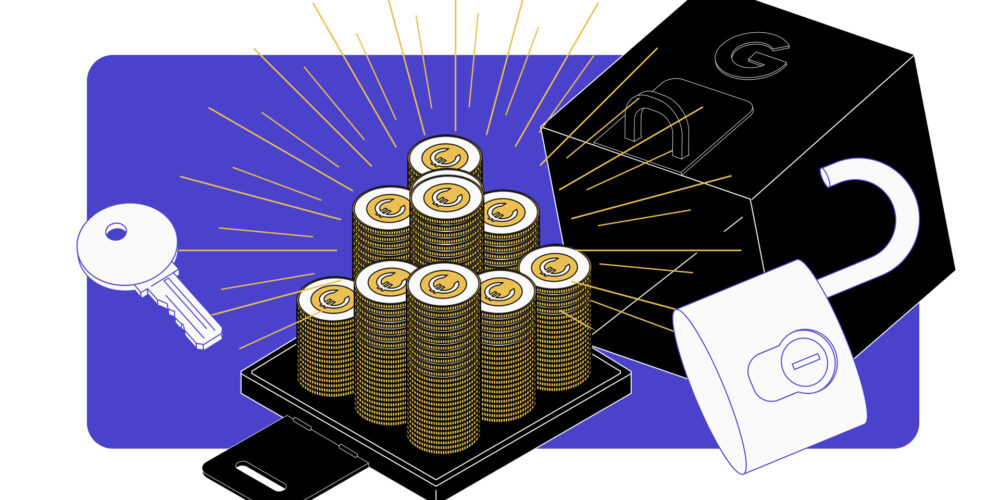
For years, the industry rightly criticized Google Ads as a “Black Box”. Campaign types like Performance Max were effectively a system that demanded the complete trust of advertisers to hand over their budget while effectively hiding where the money is getting invested in. However, that era is officially over. With the recent flood of transparency tools and new control levers, the platform has evolved from an opaque box into a ruthless mirror of a PPC advertiser's capabilities.

The core problem is no longer visibility, but know-how: most advertisers feel overwhelmed with interpreting these new insights or the strategic sophistication to pull the new control levers effectively. Today, the system reflects your ability to orchestrate data and strategy, meaning the barrier to performance is no longer Google's secrets, but your own proficiency.
Since 2022, the “Black Box” has been the PPC industry’s favorite scapegoat for tanking Google Ads. And we were right there with you.
When Performance Max launched, it demanded your budget but refused to show you where it went. We all operated in the dark, feeding the machine and hoping for the best.
However: This era is officially over. Sort of.
Let us explain.
Table of Contents
Is Google Ads still a Black Box?
No. But let’s be clear: For three long years, you were absolutely right to feel that way.
Up until a couple of months ago, “The Black Box” wasn’t a myth, but the reality we all lived in.
When Performance Max launched, it demanded your budget but refused to show you where it went. But starting early 2025, everything changed.
Facing pressure from antitrust regulators and frustrated advertisers alike, Google executed a massive pivot. They didn’t just tweak the UI; they overhauled the control architecture:
- True Search Term visibility
- Channel-level reporting
- Granular placement reports
The box is open. The lights are on. The problem is no longer that you can’t see inside, but that the system has become a ruthless Mirror of your own capabilities.

4 reasons why Google is no longer a Black Box
1. Search term visibility & exclusion controls
In the early days of Performance Max, we all suspected it was stealing Brand traffic to inflate its ROAS numbers. In fact, our most popular script to date was made to solve this problem.
The reality today:
With robust Search Term Insights, you can see exactly when PMax is taking the path of least resistance, or veering off the road entirely.
PMax is an incredible engine for discovery. It finds converting queries and audiences you would never have found with manual keyword mining. However, its greatest strength is its unrestricted reach. Which requires active management to stay efficient.
Thanks to the Search Term Insights, you can now see exactly how the algorithm is achieving its goals. Instead of guessing, you can now validate its strategy:
- Discovery vs. waste: PMax will match broadly to find new demand. Insights let you separate the high-potential generic terms from the irrelevant fluff.
- Conquesting vs. cost: It will aggressively bid on competitors. You can now clearly see this and decide if it’s a market-share win or a margin killer.
- Brand protection: It naturally gravitates toward high-converting Brand terms. You can now see this behavior clearly and decide if it’s incremental growth or just cannibalization.
The fix:
You now have the controls to enforce strategic guardrails, whether for performance, brand safety, or intent. Brand/non-brand control is just one example. You can now actively steer the machine:
- Brand exclusions: Prevent PMax from bidding on your own name in Search and Shopping.
- Campaign-level Negative Keywords: Block specific terms globally across all campaigns to ensure you aren’t paying for irrelevant traffic.
2. Channel Performance Reporting
One of the biggest issues advertisers faced with Google’s Performance Max was the Channel blending. You put money in, and you didn't know if it bought a high-intent Shopping click or a low-intent Video view.
The reality today:
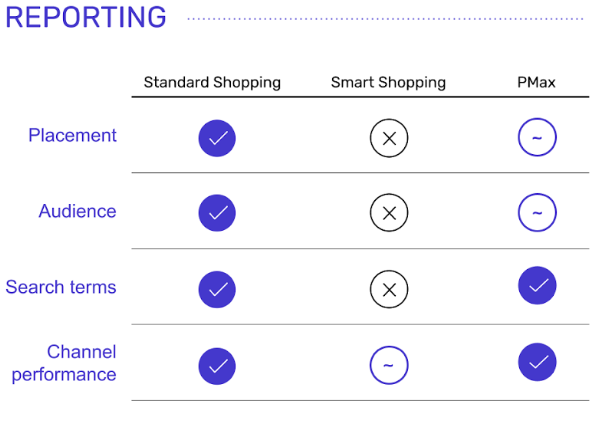
The Channel Performance Report finally answers the question, “Where is my money going?”
You can now see the distinct split between Shopping, Video, Display, and Search. This is a massive win for transparency. It allows you to verify if the machine is actually executing the strategy you intended. For example: knowing if your “Growth” campaign is actually investing in upper-funnel Video or just poaching low-hanging fruit in Shopping.
The #1 catch? Google provides the volume (Cost, Clicks, Impressions) but not the pre-calculated value metrics (ROAS, CPA) by channel.
The fix:
Because the raw data is now exposed, you can calculate what’s missing. You don’t need to guess anymore. You just need to do the math.
Luckily, scripts (like our Advanced Channel Report) can do that match for you. So you can decode the data without the calculation headaches:
- Split spend by channel: See exactly how much went to Shopping vs. Video vs. Display.
- Calculate channel ROAS: The script automates the math Google refuses to do, giving you clear efficiency metrics for each placement type without manual spreadsheet wizardry.
- Visualize the disparity: Instantly spot the imbalance between effort and reward—like seeing that Video is chewing up 30% of your budget while delivering only 2% of your conversions.
3. Placement transparency & account-level blocks
One of the most valid fears of highly automated ads is the "Made for Advertising" (MFA) nightmare. Your premium ads showing up on spammy click-farm sites.
The reality today:
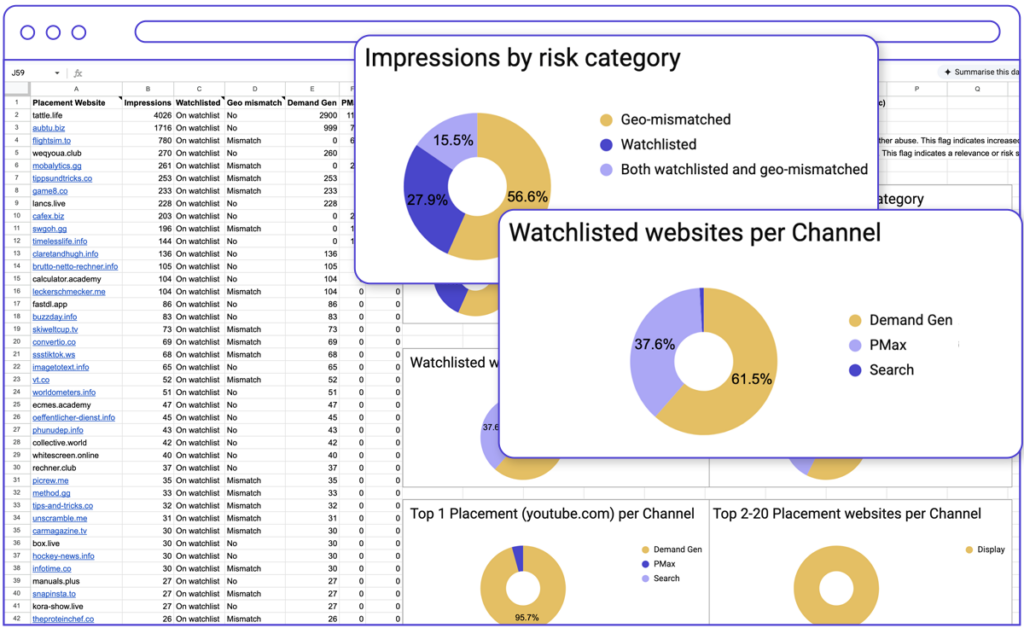
The Content Suitability Placement View exposes exactly where your ads are appearing. For example, we see retailers bleeding budget on domains in Poland when they only ship to the US, or paying for thousands of impressions on a “Flashlight App.”
However, the way it is set up is a bit convoluted. The native report is essentially a firehose of data. Scrolling through 50,000 lines of domain URLs to spot a single spam site is a manual task that no PPC manager has time for.
The transparency is there, but the usability lags behind.
The fix:
Our Google Ads Placement Scanner takes Google’s raw placement data and automatically categorizes it to highlight waste. It turns a manual audit into an automated report, so you can head over to your Google Ads dashboard and easily apply:
- Account-level placement exclusions: Block spam domains and IP addresses globally.
- Mobile app Category Exclusions: Stop your budget from draining on “Flashlight Apps” and mobile games.
- Sensitive content exclusions: Ensure your brand doesn’t appear next to tragedy or conflict content.
4. Active steering & bidding controls
Beyond being struggling to look under the hood, the lack of active control levers to actively refine and adjust your PMax campaigns have been a bane for advertisers.

These days, too, are thankfully gone.
The reality today:
PMax is a race car, but if you take your hands off the wheel, it will drive into a ditch. The platform now offers sophisticated manual input levers that allow you to override the algorithm’s baseline predictions.
The fix:
You can’t control the bid for every single click, but you can control the logic that drives the bidding.:
- Seasonality adjustments: Google’s AI learns from a 30-day lookback window. It is too slow to react to a 48-hour flash sale. Use Seasonality Adjustments to tell the system: “Expect conversion rates to jump +50% this weekend.”
- Value rules: A $100 order from a “serial returner” in an expensive shipping zone is a liability, while a $100 order from a new customer in a prime market is an asset. Use Value Rules to adjust bids based on: location, device and audience.
- Search themes: In the old days, you bought keywords. In PMax, you provide “Search Themes.” If you don’t use them, PMax guesses what your product is about. Feeding it up to 25 specific Search Themes acts as a shortcut, guiding the AI toward the high-intent audiences you actually want to reach.

4 Google Ads problems that still exist.
So, why does Google Ads still make you feel like you’re lacking control?
Because you have been conditioned that way..
Since 2022, the “set-it-and-forget-it” nature of Performance Max trained a generation of PPC managers to trust the machine. So you either did just that, or you aggressively doubled down on running Standard Shopping campaigns despite PMax’s inherent benefits.
Then, in a very short time, Google dropped a massive payload of control and reporting updates. The cockpit is suddenly full of buttons, but too many advertisers no longer have the know-how to fly the plane.
On top of that, not everything with Performance Max is sunshine and roses still.
As much as Google made the right decision with optimizing PMax for advertisers seeking a higher level of control, there are still structural issues with the algorithm that demand an unprecedented level of expertise to handle.
1. The Hero / Zombie dilemma
The problem:
Google’s algorithms are fundamentally conservative. They are fueled by historical conversion data. This creates a systemic “rich get richer” dynamic.
The scenario:
You launch a catalog of 1,000 products:
- The Heroes: 50 products get early clicks and conversions. The AI sees this data, builds confidence, and funnels more budget to them.
- The Zombies: The other 950 products get zero impressions.
The Gap:
Without clicks, the AI assigns a low probability score to these items, effectively rendering them invisible.
It becomes a self-fulfilling prophecy: It doesn’t convert because it gets no traffic, and it gets no traffic because it hasn’t converted.
This creates a massive wasted opportunity in your inventory (your “Zombie” products) that the platform ignores by default because it is risk-averse.
2. Profit blindness
The problem:
Google Ads are fundamentally profit blind.
The algorithm optimizes for revenue efficiency, not your bottom line. To the machine, a conversion is just a statistic. It doesn’t distinguish between a low-margin item that barely covers costs and a high-margin item that drives real growth. It just chases the easiest path to the next sale.
The Scenario:
Let’s say you sell electronics:
- Product A (Cable): $10 price, $9 cost. Gross profit: $1.
- Product B (TV): $500 price, $300 cost. Margin: $200.
Google’s AI might find it very easy to sell thousands of cables at a high ROAS. It pushes all your budget into cables. Your dashboard shows a ROAS of 1000%. You look like a genius!
The Reality: You are going bankrupt. You are churning volume on low-margin items while your high-margin TVs collect dust.
The gap:
By aggregating data to maximize a generic ROAS target, the platform naturally gravitates towards the path of least resistance. It optimizes for the ratio, not your bank account.
It doesn’t know that holding onto winter stock until July costs more in warehousing fees than taking a lower margin hit today.
Frustrated with Google Ads?
We feel you!Transparency is one thing. Strategy is another!
Don’t just run Google Ads. Run smarter Google Ads.
Here is how
3. Data silos
The problem:
We feel you!
Transparency is one thing. Strategy is another!
Don’t just run Google Ads. Run smarter Google Ads.
Here is how
Your business logic lives in spreadsheets; your ads live in Google. There is no native bridge between your internal inventory systems (like your ERP or PIM) and your Google Ads Account.
The Scenario:
- Warehouse reality: High-selling sneaker is low on stock. (only Size 4 and 12 left).
- Google’s view: High historical conversion rate. Bids increase.
- The result: You pay premium CPCs to drive traffic to a product page that converts poorly. You waste budget on “dead” stock.
The gap:
If you are manually calculating margins or checking stock levels to adjust targets, you are too slow. This disconnection means the AI is always making milliseconds-level decisions based on incomplete, and often outdated, financial data.
4. Lack of strategic context
The problem:
AI executes; it does not strategize. It is a math engine, not a Chief Marketing Officer.
The scenario:
- Your goal: Market Share (Launch Mode). You accept Break-Even ROAS to get volume.
- The AI’s goal: Efficiency (ROAS Target). It sees zero history and high risk.
- The result: The AI refuses to spend budget on the new item because it can’t guarantee the ROAS target.
The Gap:
Google is a demand-follower, not a demand-creator. It simply chases the math of the last 30 days or the momentum of massive search trends. It does not know that you need to clear out stock before Q3 or that this new brand is your strategic future.
Without a layer of strategic orchestration, the AI executes perfectly on the wrong goals.
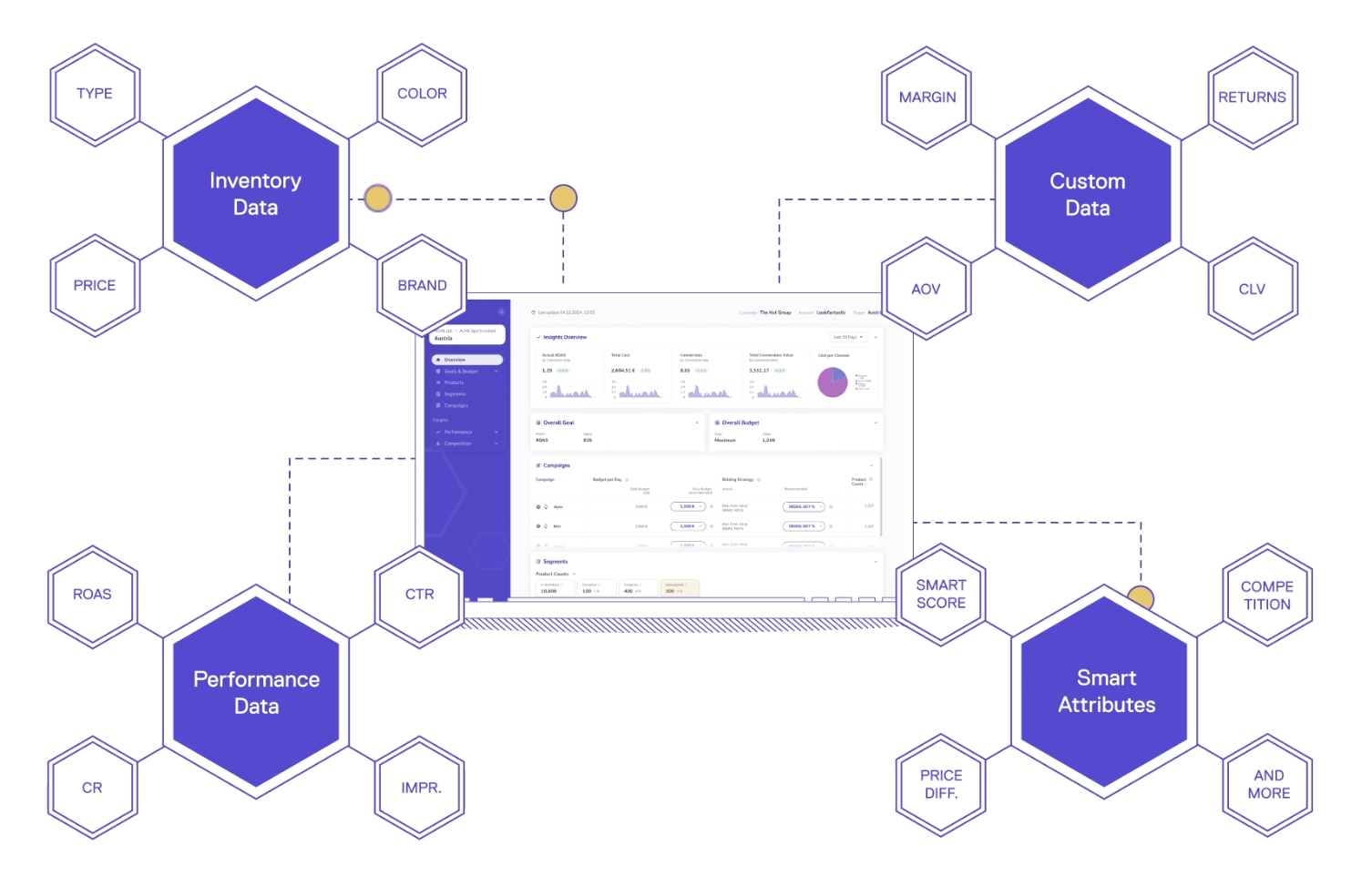
Dedicated PPC software can give it the strategic boost it needs.
How to bridge Google’s strategy gap
The industry has spent too long asking Google to “fix” these problems. But here is the thing: Google optimizes for the global average, not your specific business reality.
It will never understand that your winter stock is costing you storage fees, or that your “High ROAS” best-seller has a 40% return rate. And to be fair: Google Ads are just not designed to do that. That’s simply not their purpose.
Google is the most powerful advertising tool. It provides the horsepower. But you have to provide the roadmap.
To win in 2026, you must move beyond native Google settings.
You need a “Strategic Brain” that bridges the gap between your business data and Google’s execution engine.
smec Campaign Orchestrator is that brain. We make your strategic goals the center of Google’ algoritm by integrating your critical business data (margins, stock, CLV & more) directly into the campaign structure.
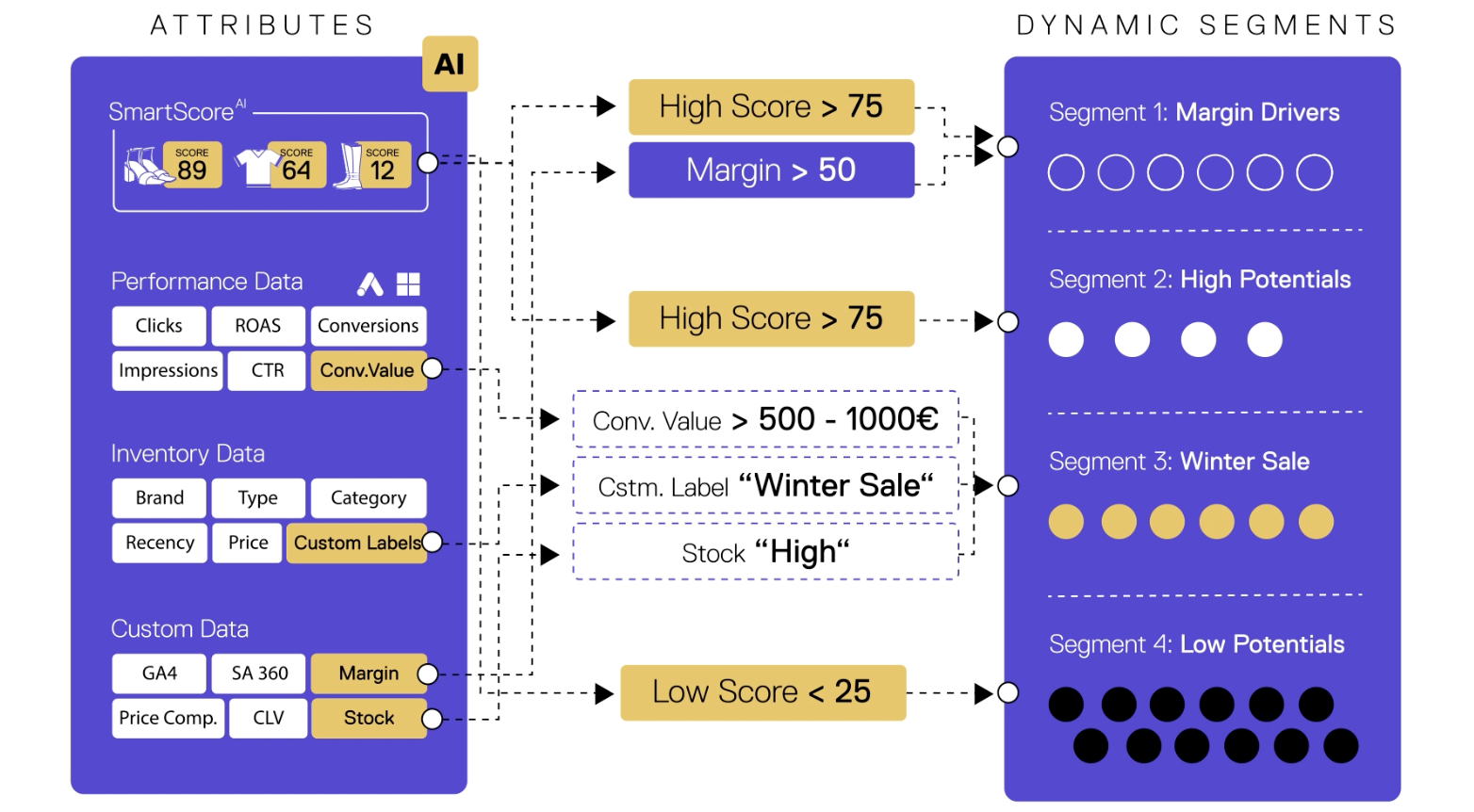
- Kill the zombies: Google ignores new products because they lack history. Our SmartScoreAI uses predictive AI to assign conversion probabilities, forcing the AI to test and rank inventory it would otherwise leave to die.
- Break the average: Stop optimizing for a blended ROAS. With our Dynamic Segments, you can automatically cluster products by real-time attributes (Margin, Stock, Performance, SmartScore), ensuring you bid aggressively on profit-drivers and starve the bleeders.
- Connect the silos: Google is blind to your warehouse. We bridge the gap, automatically pulling spend on low-stock items or triggering “Liquidation Mode” for excess inventory—no manual updates required.
What’s next for Google Ads?
The Black Box is dead. The Mirror is here. And that’s a good thing.
For the first time in years, the ceiling on your performance is no longer set by Google’s opacity—it is set by your own strategic capability. Google has given us the tools we asked for, handing us more data and levers than ever before.
However: Transparency doesn’t equal simplicity.
While the “Mirror” reflects your potential, it also exposes the complexity of modern PPC. Google has handed you the keys to a Formula 1 car but hasn’t necessarily taught you how to drive it. The opportunity to outperform your competition is massive, but only if you have the know-how to navigate the new dashboards, interpret the new reports, and pull the new levers.
Looking ahead, the stakes will only get higher.
We predict that by 2027, the industry will shift further into the age of Agentic Commerce, where AI agents don’t just search for products, but actually buy them. Google is evolving from a Search Engine to an Answer Engine. In this future, the game evolves from optimizing for clicks to optimizing for authority.
That is why having a trustworthy partner that helps you navigate this transition makes all the difference.
You don’t have to fly solo!
FAQ
No. As of 2026, Google has significantly increased transparency by providing Search Term Insights, Channel-level Reporting, and Granular Placement Views. The “Black Box” era is over; the “Mirror” era has begun, where the platform reflects your ability to manage complex data and strategic levers.
Yes. Strategic guardrails such as Brand Exclusions and Account-level Negative Keywords allow you to prevent PMax from taking the “path of least resistance” by cannibalizing brand traffic that would have likely converted organically.
Keywords are strict directives (“Bid on this specific term”). Search Themes are broader guidance signals (“Look for people interested in this topic”). Themes allow PMax to find new audiences and queries that aren’t in your historical data, effectively “jump-starting” the AI’s exploration into new territory without restricting it to exact matches.
Google Ads exists in a data silo, blind to your warehouse reality. Unless you use a “Strategic Brain” like smec Campaign Orchestrator to integrate inventory levels and profit margins, the AI will continue to bid on items that are out of stock or have razor-thin margins.
Yes. A “Feed-Only” setup involves actively stripping assets (images, video, text) to force PMax to rely almost exclusively on the Merchant Center feed. This is a strategic way to push budget toward high-intent Shopping placements and avoid wasting spend on low-quality Display or Video inventory, especially if you lack premium creative assets.
PMax is a “Demand Follower,” not a creator. It relies on historical conversion data to manage risk and predict success. Without history, the AI assigns a low probability to new items (Zombies). To fix this, you need to “trick” or encourage the AI by using predictive scoring models or aggressive high-priority targets to force initial visibility.
You can use scripts like the smec Advanced Channel Report to decode Google’s raw data. While Google provides the volume, these scripts calculate the performance ratios (ROAS, CPC, Conversion Rate) for Shopping, Video, and Display, allowing you to see exactly where your budget is being wasted.
Strategic guardrails are manual overrides that guide AI execution. They include Seasonality Adjustments (to warn AI of upcoming spikes), Value Rules (to adjust bids based on audience quality), and Search Themes (to provide the AI with high-intent shortcuts).
Transparency provides the data, but it doesn’t provide the mastery. Google’s new tools are complex and difficult to utilize to their full extent. A strategic partner like smec helps you regain the know-how needed to pilot the machine, ensuring you are a pilot, not just a passenger, in the age of automation.
source on Google →